7 Mistakes You’re Making with Situational Awareness (and How to Fix Them Before It’s Too Late)
- J-P Perron
- Apr 3
- 5 min read

Updated: May 2
Walking down the street here in Chesterville, it’s easy to feel like we’re in a bubble. We know our neighbors, we recognize the cars in the driveway, and life generally moves at a comfortable pace. But safety isn't a destination; it’s a practice. Too often, we see people moving through their day in a mental fog, completely disconnected from the environment around them. We call this "living in the white zone," and it’s where most mistakes happen.
At Vanguard Self-Defense Academy, we believe that true self-defense starts long before a punch is thrown. It starts with your eyes, your ears, and your gut. We transform our students from distracted bystanders into calm, confident protectors. “The best fight is the one you aren’t in because you saw it coming three blocks away.”
Are you making these common mistakes? Let’s look at how we can fix them together.
1. 📱 The "Task Fixation" Trap
You’re walking to your car, and you decide to check that one last text. Or maybe you’re digging through your bag for your keys while your head is down. This is task fixation: when your brain focuses so intently on one minor goal that it deletes everything else from your consciousness.
When you’re fixated, you aren’t just distracted; you’re effectively blind. You miss the car pulling up too close or the person stepping out from behind a corner.
How to fix it: Stop multitasking in transition zones. When you move from a building to a parking lot, or a store to the sidewalk, your only "task" should be moving safely. Periodically pause. Ask yourself, "What has changed in the last ten seconds?" This simple mental break interrupts the fixation and brings you back to the present.
Focus. Presence. Safety.
2. 👁️ Tunneled Senses and Narrow Vision
When we get nervous or focused, our vision naturally narrows. We look straight ahead, staring at our destination like we have horse blinkers on. We call this "tunneled senses." You might see the door you’re walking toward, but you completely miss the three people standing in the shadows to your left.
How to fix it: Practice the "Rule of Three." Before you make a move: like getting out of your car or entering a building: deliberately identify three things in your environment. Is there a car with the engine running? A person walking a dog? A flickering streetlight? Expanding your field of vision forces your brain to process the entire scene, not just the "target" in front of you.
3. 🛡️ The "It Won’t Happen Here" Complacency
Complacency is the silent enemy of every resident in a small town. We think because "nothing ever happens in Chesterville," we can let our guard down. We assume every situation is routine. But routine is just a story we tell ourselves until something unexpected happens.
“Complacency is the precursor to catastrophe.”
How to fix it: Maintain a "Yellow" state of mind. This isn't paranoia; it's relaxed alertness. It’s the difference between being a victim and being a witness. Actively question your assumptions. Instead of thinking, "It's just a guy in a hoodie," think, "What is that person actually doing?" If you want to dive deeper into why this mindset matters, check out our guide on what real-world self-defense actually means.
Alert. Aware. Alive.
4. 📍 Getting Too Close (Command Location)
In our Senshogo Ryu Jiu-Jitsu training, we talk a lot about "Ma-ai" or combative distance. A common mistake is being too physically close to a developing situation. If you see two people arguing or a suspicious group gathering, your curiosity might draw you closer than it should.
How to fix it: Create deliberate distance. Distance buys you time, and time buys you options. If something feels "off," step back. Move to the other side of the street. Get back in your car. By gaining perspective, you can see the bigger picture rather than getting sucked into the immediate chaos. You can learn more about these traditional Japanese concepts in our post about traditional Japanese Jiu-Jitsu explained.
5. 🔍 Ignoring the Pre-Attack Cues
Most people think violence is a "bolt from the blue," but it almost always has a countdown. There are "clues and cues" that precede a bad situation. This might be someone "target glancing" (looking at your pockets or neck), weight shifting, or a sudden change in the atmosphere of a room. Because of inexperience, many people simply don't know what to look for.
How to fix it: Start observing behaviors, not just people. At Vanguard, we teach the "5-Second Rule." Can you spot a potential problem in under five seconds? We train our eyes to look for hands, stance, and scanning behavior in others.
Look for the "hiding" of hands.
Notice "scanning" behavior (looking for witnesses).
Watch for "grooming gestures" (touching the face or adjusting clothes nervously).

6. 🥋 The Ego Trap (Bravado)
Sometimes, we see the danger, our gut tells us to leave, but our ego says, "I'm not going to let them scare me." This is bravado, and it’s a fast track to a bad night. Proceeding with high-risk activities despite clear indicators of danger because you don't want to "look weak" is a massive mistake.
How to fix it: Establish a personal rule: If it feels wrong, it is wrong. It is always acceptable to leave. At Vanguard, we teach our students that walking away isn't a sign of weakness; it's a sign of high-level intelligence. We celebrate the "win" of avoiding the fight entirely. We focus on building adult self-defense training that holds up under the pressure of real life, not just the ego of the mat.
Humble. Smart. Safe.
7. ⏳ Unrealistic Expectations of Speed
The final mistake is believing you can react faster than is humanly possible. People think, "If someone grabs me, I'll just do X, Y, and Z." They fail to account for the "OODA Loop" (Observe, Orient, Decide, Act). By the time you realize you're in trouble, you're already three steps behind.
How to fix it: Honestly assess your capabilities. This is why we train. We don't just talk about awareness; we pressure-test it in a safe environment. You need to know how your body reacts when the adrenaline hits and your fine motor skills disappear. Training helps close the gap between "seeing the problem" and "solving the problem."
Why We Train the Way We Do at Vanguard
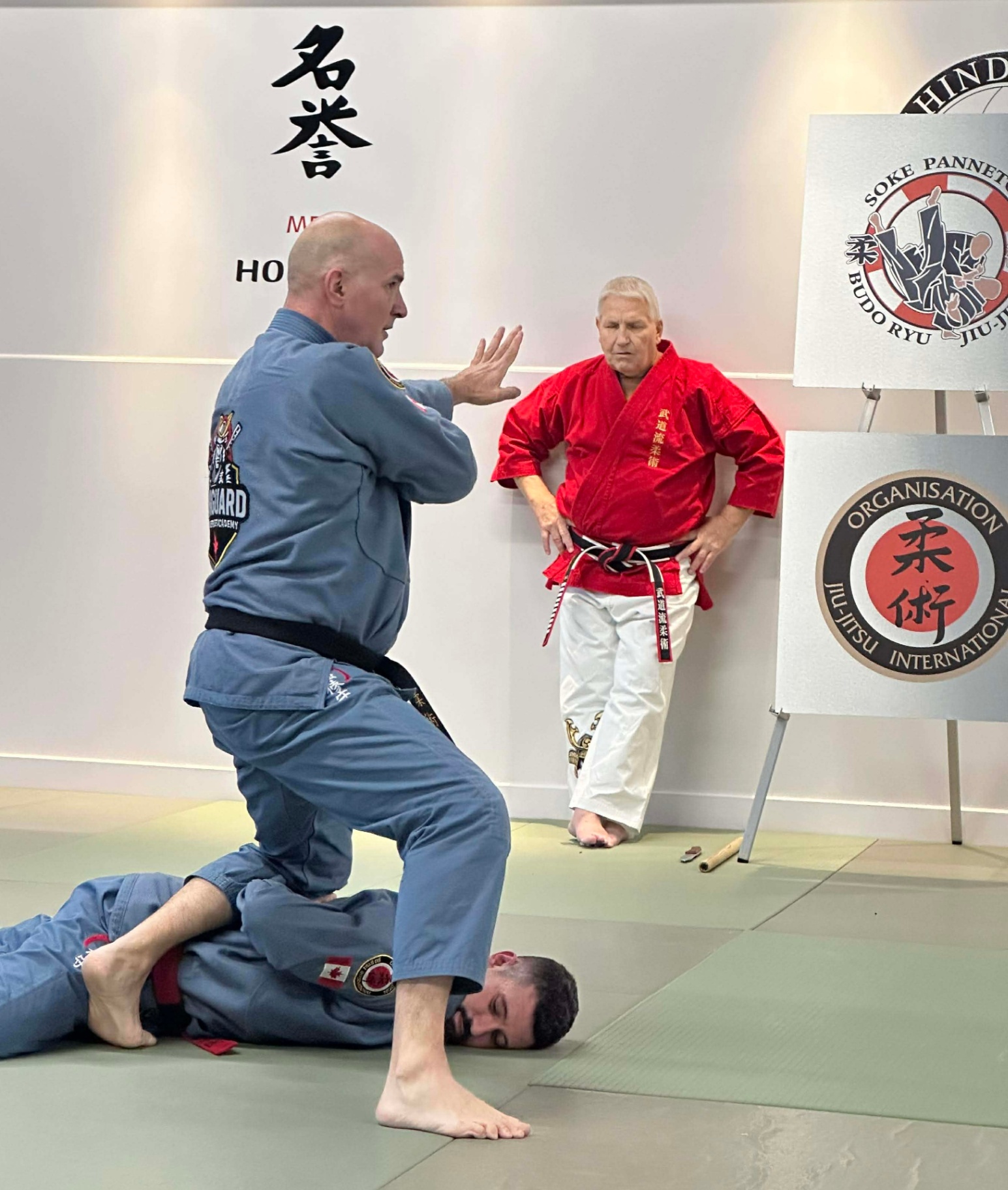
At Vanguard Self-Defense Academy, we aren't just teaching you how to kick and punch. We are teaching you how to move through the world with a "shield" of awareness. Whether it’s our youth programs helping kids spot bad situations early or our adult classes focusing on Senshogo Ryu, the goal is the same: Transformation.
We see students come in nervous, with their shoulders hunched and eyes down. Within weeks, they are holding their heads higher. They are making eye contact. They are scanning the room when they walk in. They are part of a family (kazoku) that looks out for one another.
“Awareness without action is useless.”
Don't wait for a "close call" to be your wake-up call. Situational awareness is a perishable skill that needs regular sharpening. It’s about more than just fighting; it’s about the peace of mind that comes from knowing you are prepared.
Ready to Build Your Shield?
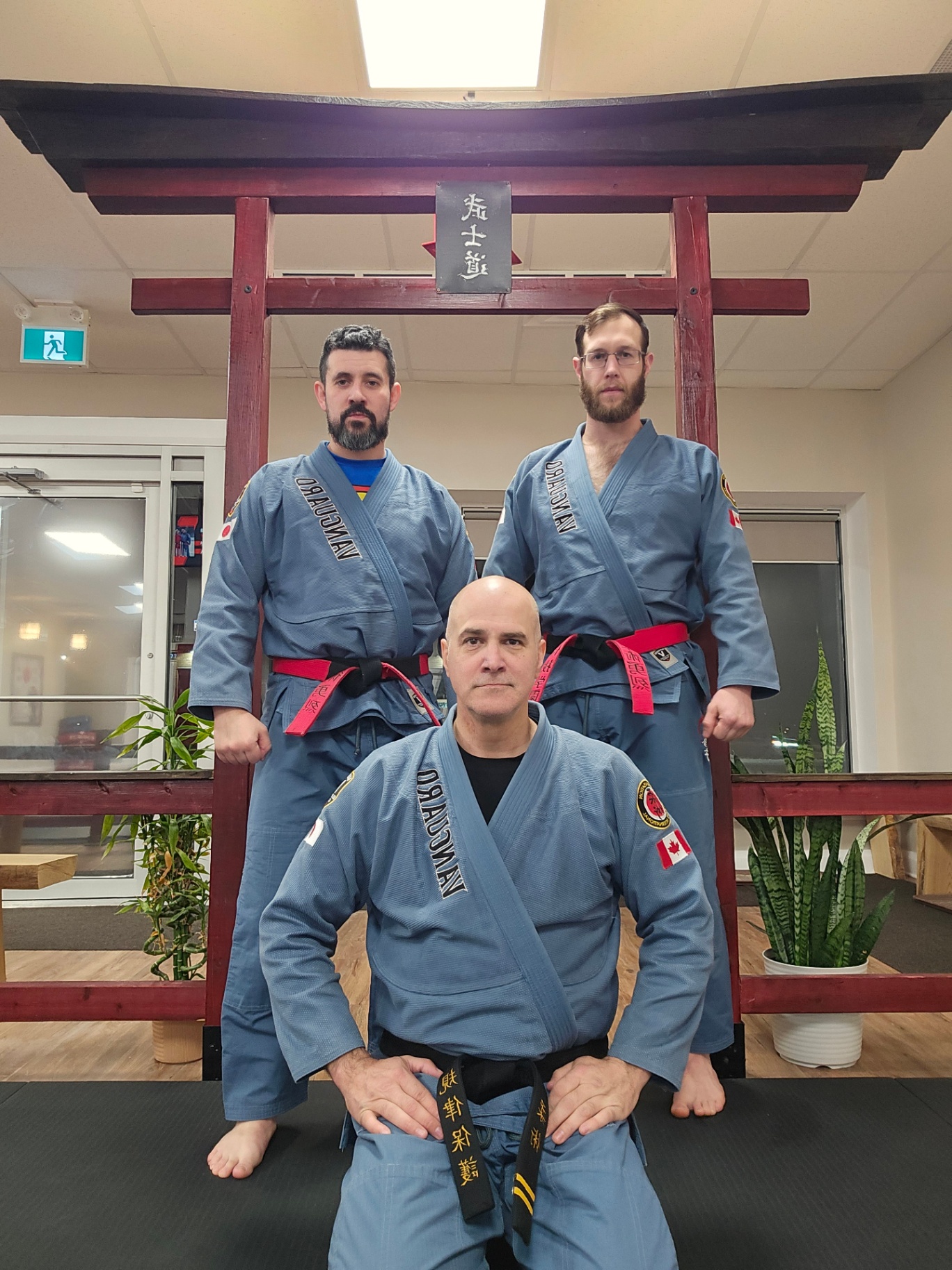
Are you ready to move from feeling vulnerable to feeling capable? We invite you to come visit us and see how our community-focused training can change the way you see the world. Whether you’re looking for kids' self-defense in Chesterville or a way to challenge yourself as an adult, we have a spot for you on the mats.
Come try a class and experience the Vanguard difference. We’ll help you fix these mistakes and give you the tools to stay safe long before things get "ugly."
Community. Discipline. Strength.

Comments