7 Mistakes You’re Making with Situational Awareness (And How to Fix Them Fast)
- J-P Perron
- May 1
- 5 min read
Updated: May 2
Hey there, Chesterville! JP Perron here from Vanguard Self-Defense Academy.
Walking down Main Street or heading into the grocery store, we usually feel pretty safe. We live in a great community, and that’s a blessing. But here’s the truth: safety isn’t a lucky accident, it’s a skill. Most people think situational awareness is about being paranoid or looking for ninjas behind every bush. It’s not. It’s about being present, being prepared, and making sure you get home to your family every single night.
At Vanguard, we teach Senshogo Ryu Jiu-Jitsu, which isn’t about winning trophies on a padded mat. It’s about reality. We see people making the same awareness mistakes every day. These mistakes take you from being a "hard target" to a "soft target" without you even realizing it.
Ready to sharpen your focus? Let’s dive into the 7 biggest mistakes you’re making and how we fix them fast.
📱 1. The "Digital Blindfold" (Phone Addiction)
Walking with your head down, eyes glued to a screen, is the number one mistake we see today. Whether you’re checking a text or scrolling through social media, you are effectively blind to 90% of what’s happening around you. Your brain is in a digital world while your body is in the physical one.
The Fix: Practice the "Transition Rule." Whenever you move from one environment to another, like walking from your car into a shop or stepping out of your house, your phone stays in your pocket. Keep your head up and your eyes scanning. Look at the people, the cars, and the atmosphere. You’ll be amazed at what you notice when you aren't looking at a 6-inch screen.
“The best way to win a fight is to see it coming and not be there when it starts.”
👁️ 2. Confusing "Looking" with "Seeing"
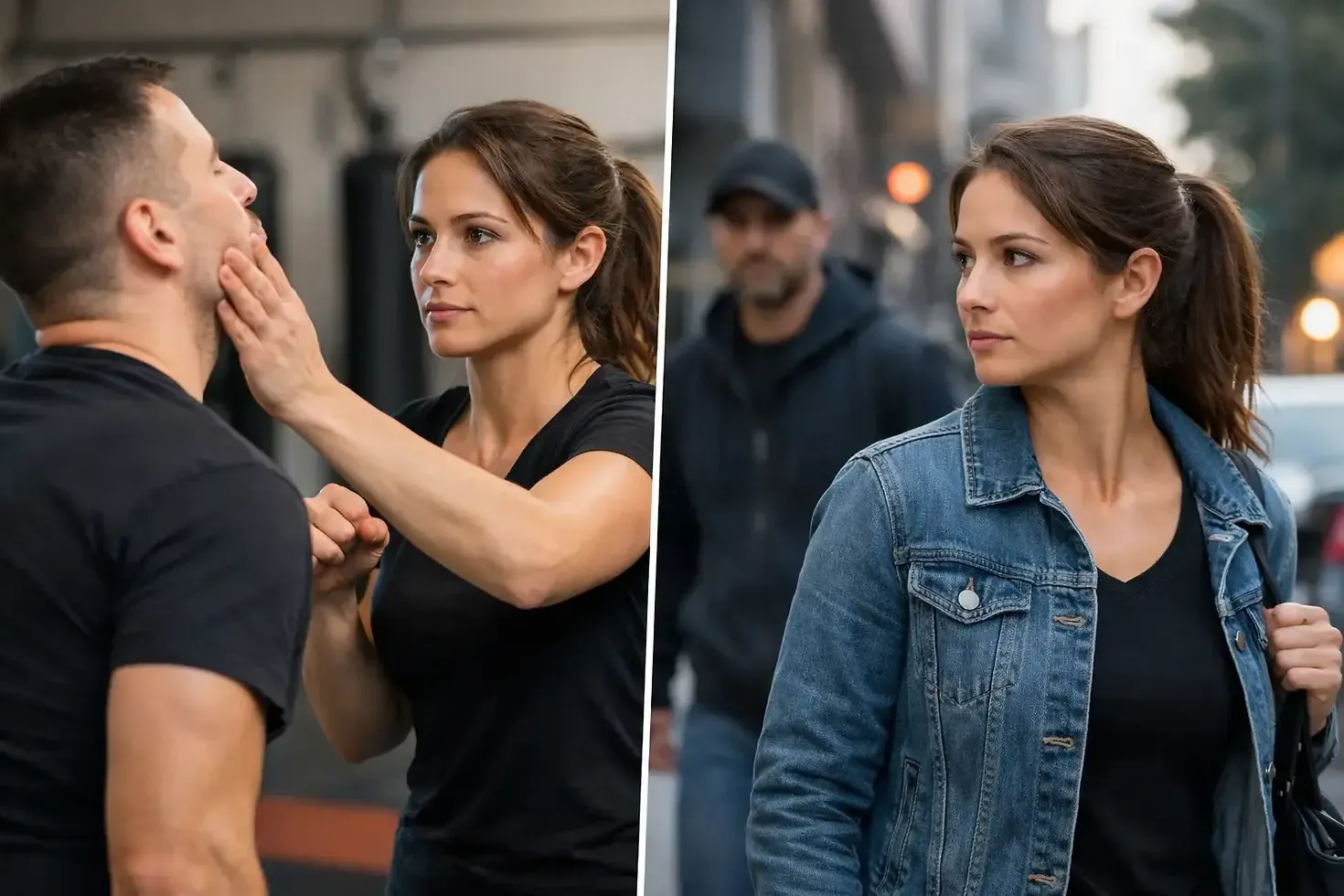
You can look right at someone and not actually see them. This is task fixation. You’re so focused on getting your groceries or finding your keys that your brain filters out "anomalies." You see a person standing by the corner, but you don't notice that they are wearing a heavy hoodie in July or that they are nervously glancing around.
The Fix: Use the B + A = D formula.
Baseline: What is normal for this environment? (Kids playing, people shopping).
Anomaly: What doesn’t fit? (Someone standing still for too long, someone following your pace).
Decision: If you spot an anomaly, make a decision. Move away. Change direction. Go back inside.
Scanning. Seeing. Deciding.
🏘️ 3. The "Chesterville Bubble" (Complacency)
We love our town, but assuming "nothing bad happens here" is a dangerous mindset (la complaisance est l'ennemie de la sécurité). Bad situations don’t check the zip code before they arrive. Complacency turns off your internal radar. When you feel "too safe," you stop checking your surroundings, and that’s exactly when you become vulnerable.
The Fix: Turn awareness into a game, not a chore. When we train here at the academy, we talk about staying in "Yellow Mode." You aren't panicked (Red), and you aren't asleep (White). You’re just relaxed and alert. Challenge yourself to spot three things every time you enter a room that most people would miss. Is there a back exit? Who looks out of place? Where is the nearest help?
Awareness. Vigilance. Safety.
👂 4. Ignoring Your "Gut" (The Gift of Fear)
How many times have you felt a weird "prickle" on the back of your neck but told yourself you were just being silly? That’s your intuition, a survival mechanism honed over thousands of years. Ignoring that feeling because you don’t want to be "rude" or "judgemental" is a massive mistake.
The Fix: Validate your instincts. If something feels off, it is off. You don't need a logical reason to leave a situation. If a stranger approaches you and your gut says "No," listen to it. At Vanguard, we teach our students that confidence-building martial arts start with trusting yourself. If you feel uncomfortable, create distance immediately.
Trust. Listen. Act.
🚪 5. Forgetting the "Way Out"
Most people walk into a building through the front door and never think about another way out. If an emergency happens, a fire, a medical crisis, or a violent encounter, everyone rushes for the same door they came in. That’s where the bottleneck happens.
The Fix: Every time you sit down at a restaurant or enter a store, find two exits. It takes three seconds. Glance around. See the "Exit" sign over the kitchen? See the side door? Mentally map your escape. Knowing your exits reduces panic and gives you an immediate plan if things go south.
🤝 6. The "Social Grace" Trap
This is a big one, especially for us friendly Canadians. We are often more afraid of being "rude" than we are of being in danger. Predators exploit this. They use "the interview", approaching you with a question or a request for help, to get inside your personal space. Because you’re a nice person, you let them in.
The Fix: Establish a "Non-Negotiable Perimeter." If a stranger approaches you too quickly or gets too close, use your voice. A firm "Stay there, I can’t help you" or "That’s close enough" is not being rude, it’s being clear. We practice this in our how to train for self-protection sessions. Your safety is more important than a stranger's feelings.
Boundary. Voice. Space.
🧠 7. Physical and Mental Fog
If you are exhausted, dehydrated, or out of shape, your brain can't process information quickly. Situational awareness requires mental energy. If your body is sluggish, your reaction time slows down, and your "peripheral vision" (both physical and mental) shrinks.
The Fix: Focus on functional fitness. You don't need to be a bodybuilder, but you do need to be capable. Training in Senshogo Ryu helps sharpen the mind-body connection. When you feel strong, you stand taller. When you stand taller, you make eye contact. When you make eye contact, you send a message: "I see you, and I am not a victim."
Energy. Clarity. Strength.

Why "Pretty" Doesn't Work in the Real World
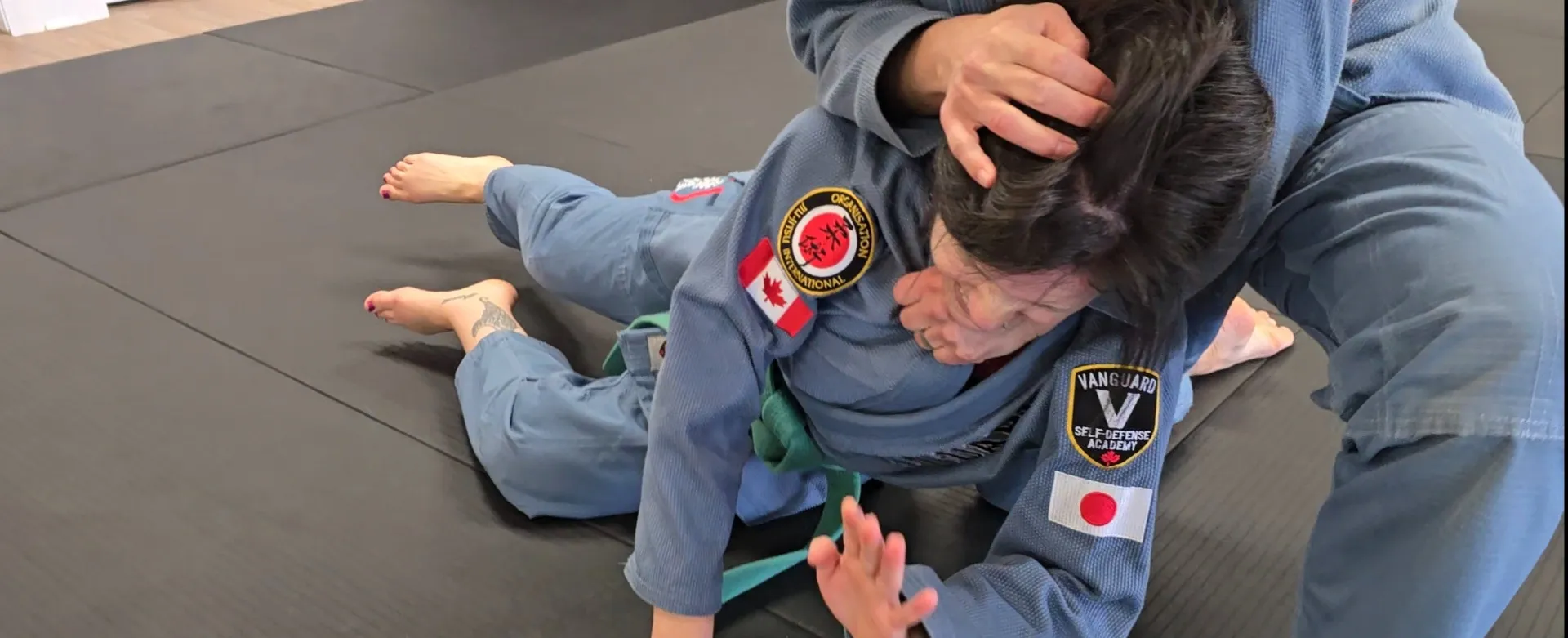
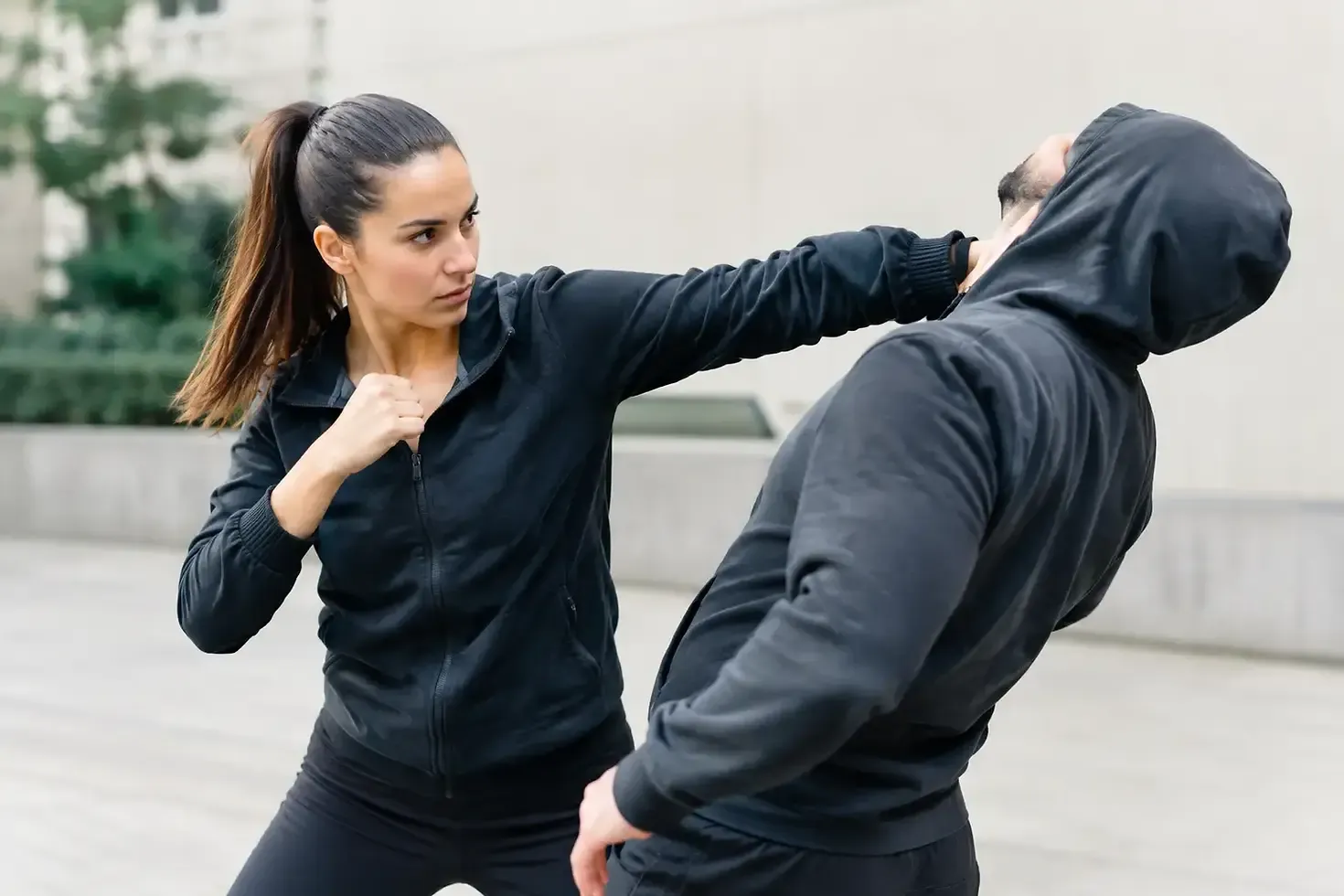
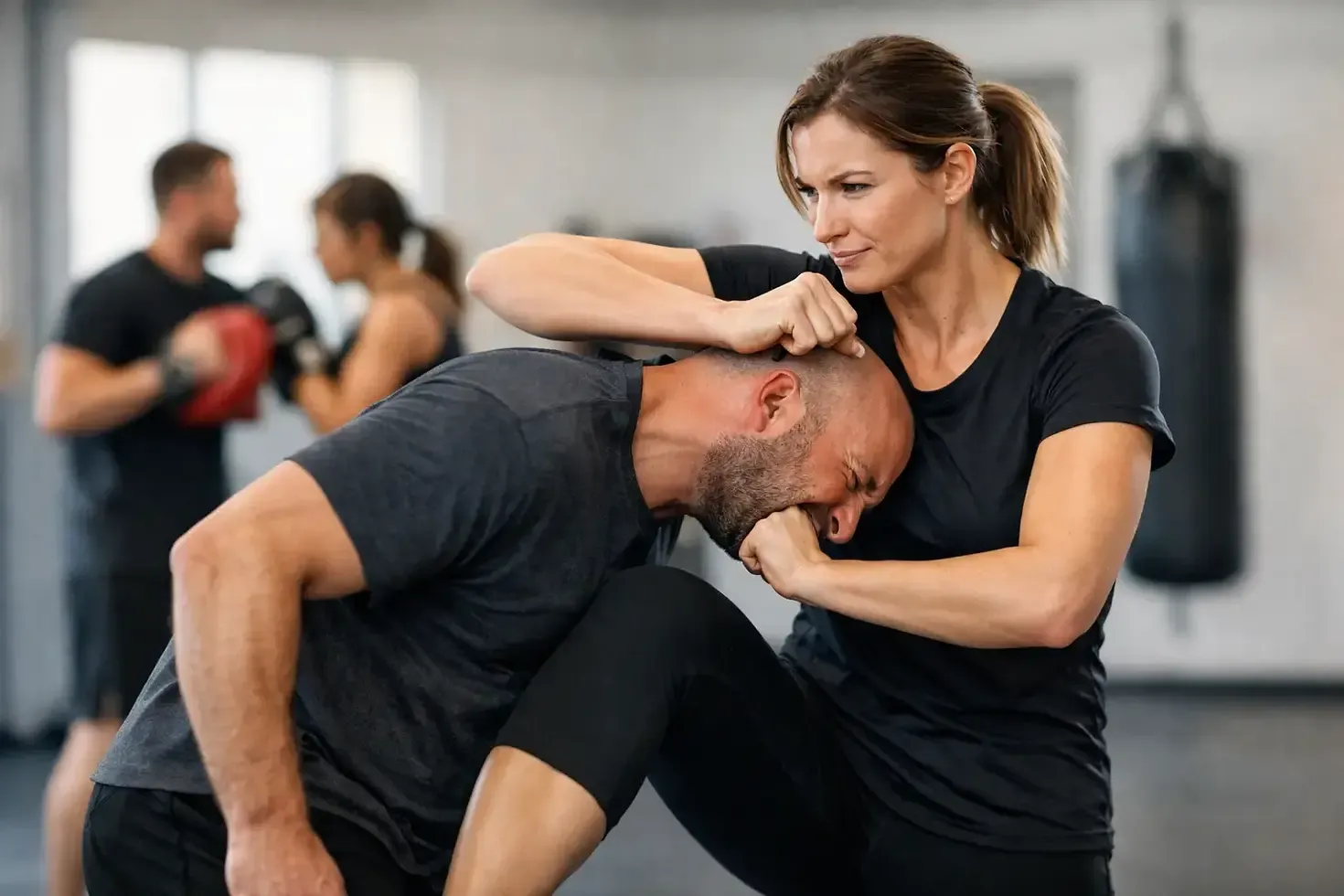
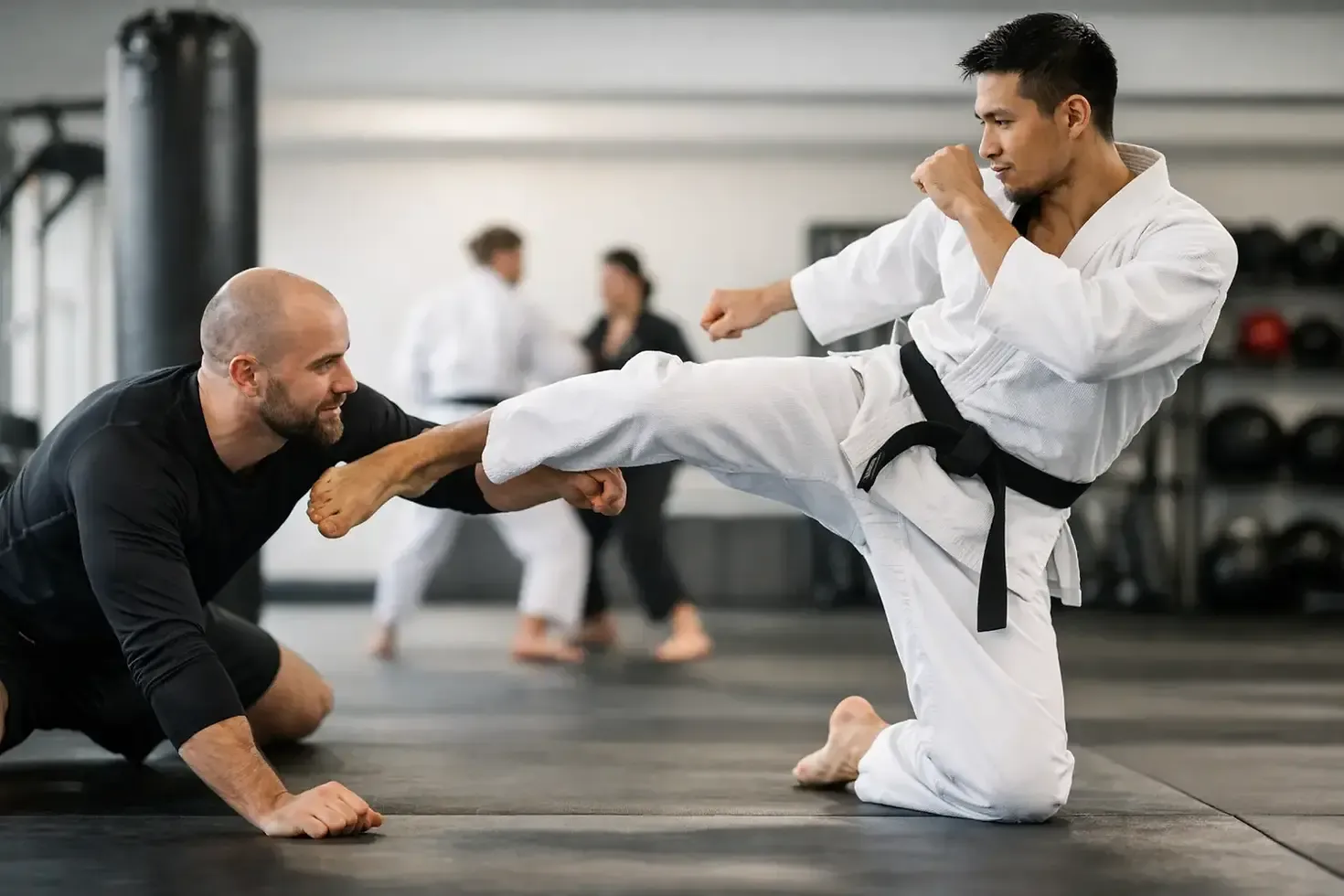
In many sport-based martial arts, you’re taught to wait for a whistle or follow a set of rules. But in a real-world situation, there are no rules. That’s why we focus on "Ugly" self-defense. We don't care if a move looks good for a camera; we care if it works when you're surprised in a parking lot.
How to spot a bad situation in under 5 seconds is a skill we bake into every class. We go from being nervous and unsure to being the person who knows exactly what to do when things get "ugly."
“Discipline starts with paying attention to detail.”
Join the Vanguard Family
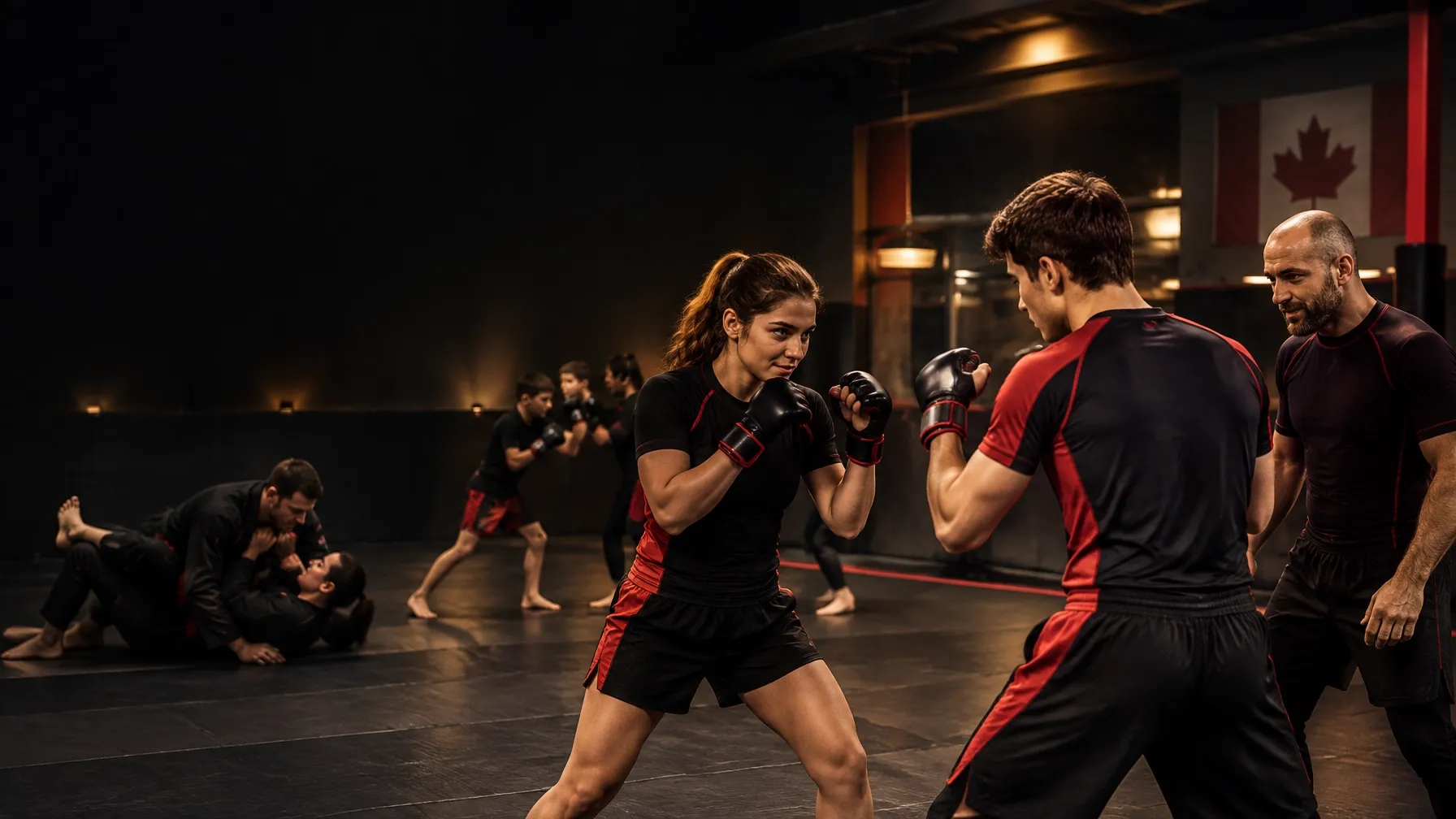
At the end of the day, situational awareness is about one thing: Freedom. The freedom to walk through your life without fear because you know you have the tools to handle whatever comes your way. We aren't just a gym; we’re a community. We celebrate each other’s growth, and we have each other’s backs.
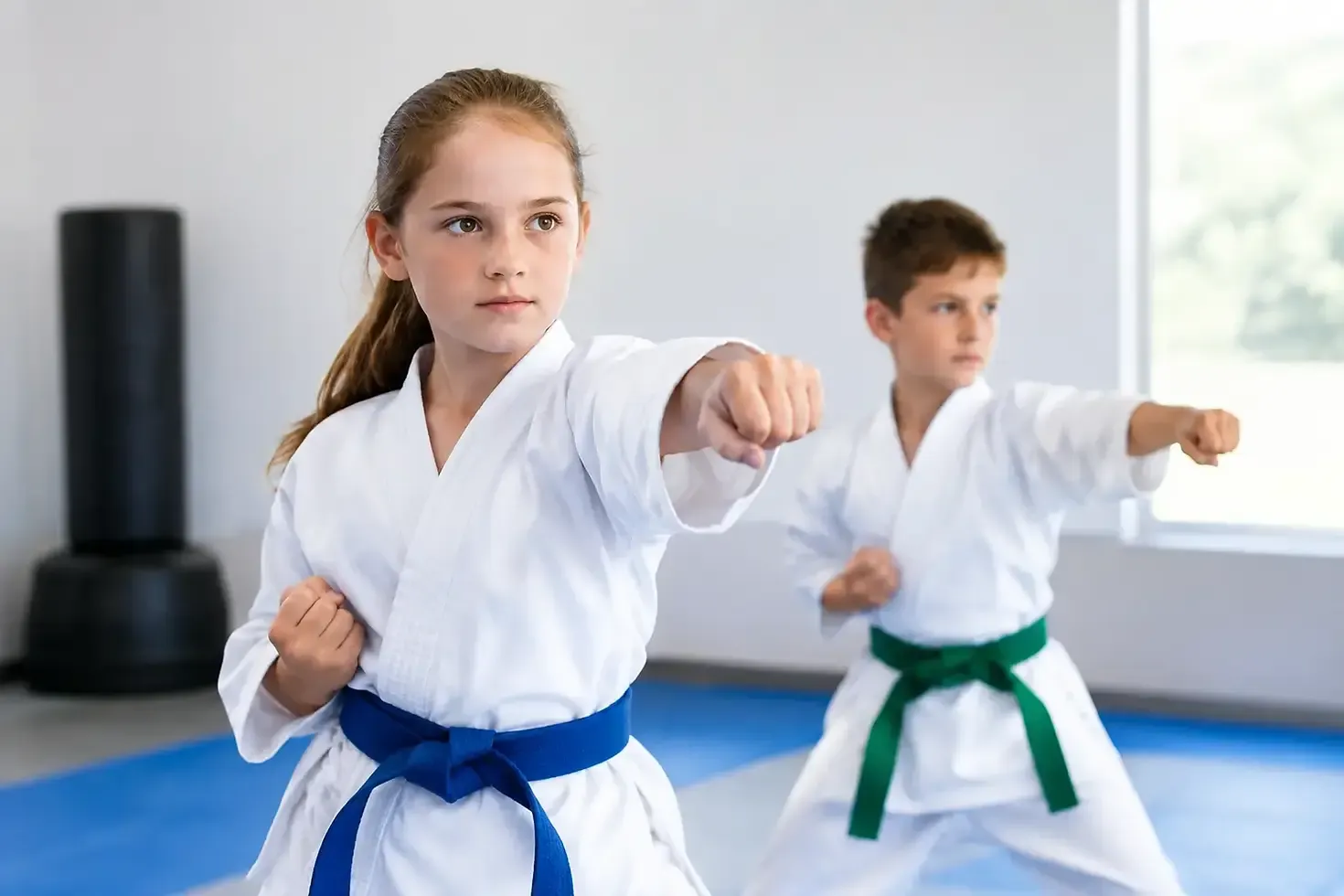
Whether you’re a parent looking for kids self-defense classes in Chesterville or an adult who has been thinking about starting for years (and yes, adults can absolutely start martial arts), we have a spot for you on the mats.
Ready to transform from "unsure" to "unshakeable"?
We’d love to meet you. Come down to the academy, meet the team, and see how we train. No egos, no pressure, just real skills for real people.
Your journey to total confidence starts with a single step.
Check out our booking services to see our current schedule, or just drop by and say hi! We can't wait to welcome you to the family.
Focus. Discipline. Courage.
See you on the mats!
: JP Perron Owner & Founder, Vanguard Self-Defense Academy


Comments