
top of page
Search

How Leadership Programs for Youth Build Character

A teenager who speaks clearly, handles pressure well, and treats others with respect usually did not get there by accident. Those qualities are trained. That is why leadership programs for youth matter so much. The best ones do more than keep kids busy after school. They teach decision-making, self-control, accountability, and the habit of stepping forward when something needs to be done.

Parents often hear the word leadership and picture public speaking, student councils, or team captains. Those can help, but real leadership starts earlier and runs deeper. A young person who can stay calm under stress, listen well, follow through, and make good choices is already building the foundation. Leadership is not just about being in charge. It is about character in action.

What leadership programs for youth should actually teach

A strong program should teach youth how to carry themselves before it ever teaches them how to lead others. Confidence without humility turns into ego. Discipline without encouragement can turn into resentment. Good leadership training balances both.

That balance is why structure matters. Youth do well when expectations are clear, standards are consistent, and progress is earned. In that kind of environment, they begin to understand that leadership is not status. It is responsibility.

The most effective programs usually build five core traits over time: confidence, discipline, communication, resilience, and service. Confidence helps a child speak up and try hard things. Discipline teaches them to show up, focus, and do the work even when they do not feel like it. Communication helps them listen, respond, and work with others. Resilience teaches them how to recover from setbacks instead of folding under pressure. Service reminds them that leadership is not self-promotion. It is using strength well.

Why youth leadership development works best with action

Young people do not build leadership by hearing speeches about it. They build it through repeated action. They need situations where they must pay attention, solve problems, respect boundaries, and respond to correction.

That is one reason activity-based programs often outperform classroom-only approaches. When youth have to move, engage, and work through challenges in real time, the lesson sticks. They feel the result of good focus. They see what happens when they lose control. They learn that attitude affects outcome.

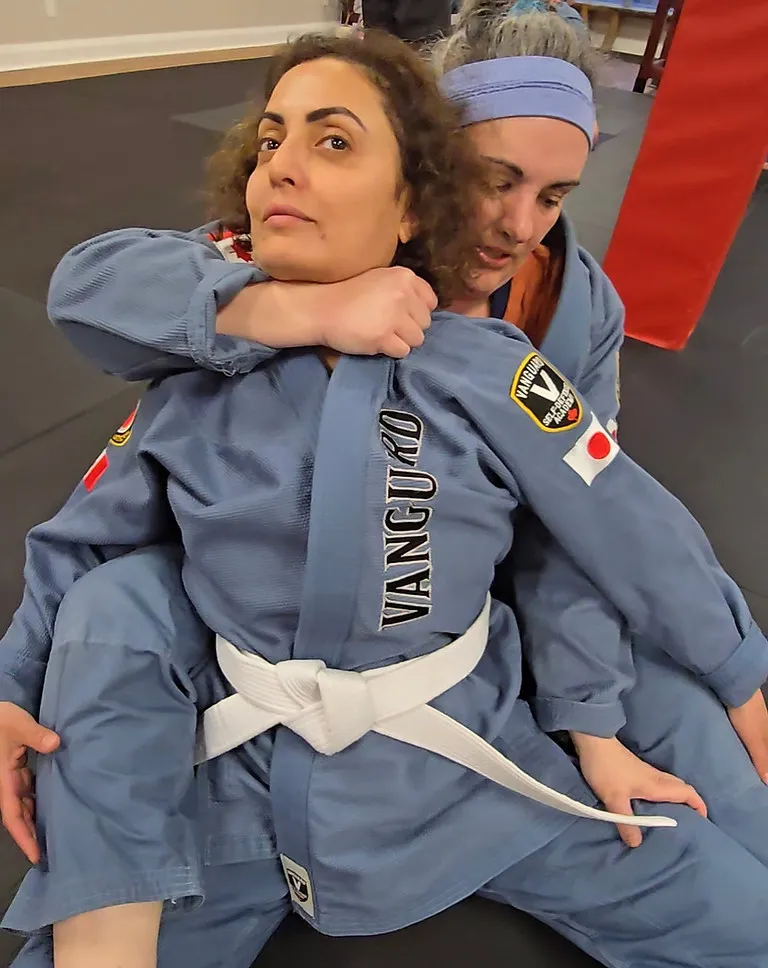
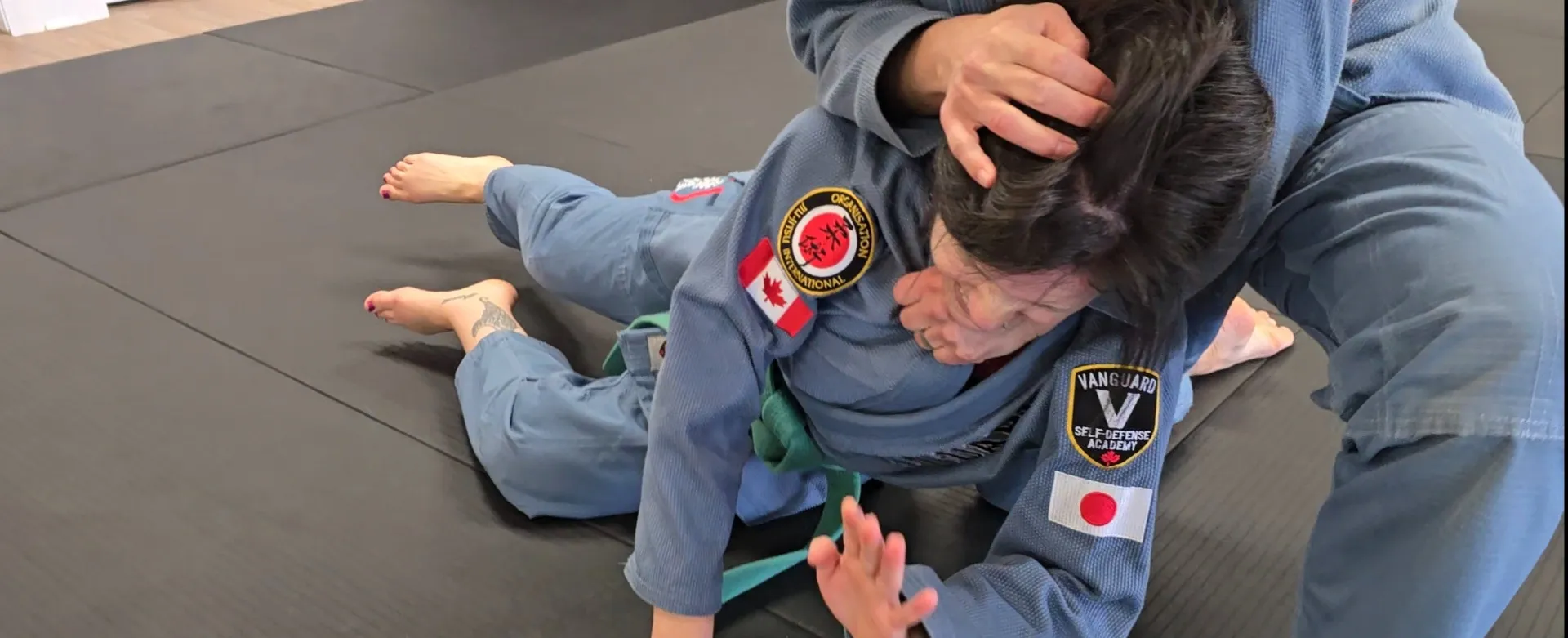
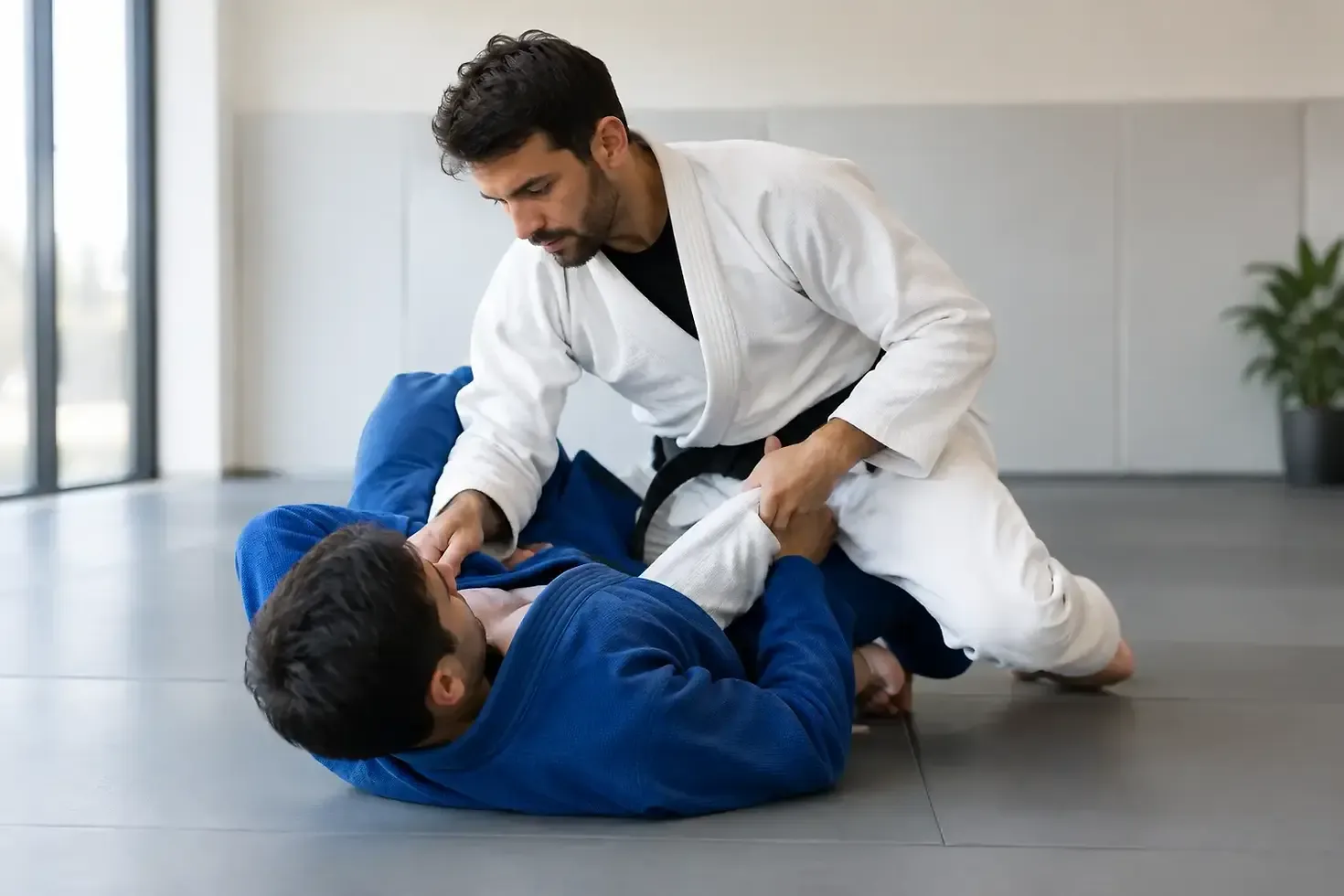
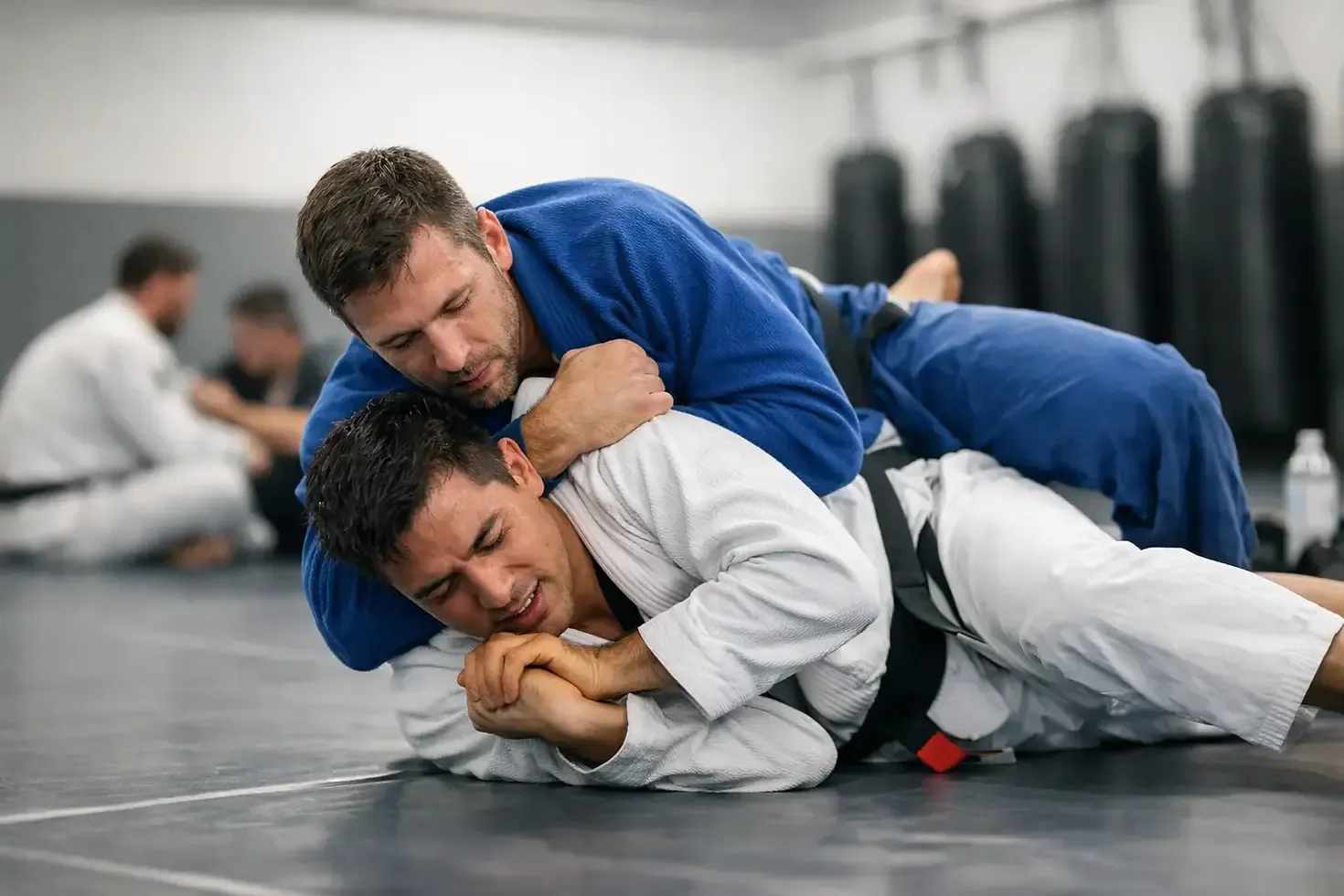
Martial arts training is especially strong in this area because it ties mindset to behavior. A student cannot fake discipline on the mat for long. They either listen or they do not. They either manage frustration or let it manage them. They either support their training partners or create problems. Every class becomes a practical lesson in leadership habits.

That does not mean every child needs the same environment. Some thrive in team sports. Some respond well to outdoor programs, cadets, volunteer work, or faith-based leadership groups. The question is not which label sounds best. The question is whether the program creates real standards, real mentorship, and real opportunities to grow.

The difference between busy programs and meaningful ones

Not every youth activity is a leadership program, even if it uses the word. Some programs are little more than supervised entertainment. They may be fun, and fun has value, but fun alone does not build maturity.

Meaningful leadership development asks more of a young person. It expects punctuality. It expects respect. It expects effort. It gives feedback and teaches youth how to handle it. It creates a culture where excuses do not carry the day.

Parents should be cautious of programs that promise confidence without challenge. Confidence is built by doing hard things well, not by being told you are amazing every five minutes. In the same way, discipline is not punishment. It is the steady practice of doing what is right, even when it would be easier not to.

A good instructor, coach, or mentor understands this tension. Push too hard and a young person may shut down. Push too little and nothing changes. The right environment is firm, encouraging, and consistent.

How martial arts supports leadership in youth

Martial arts has a clear advantage when the goal is leadership with character. It brings together physical training, mental focus, and ethical conduct in one place. Students are taught to control themselves, respect others, and remain calm under pressure. Those are not side benefits. They are central to the training.

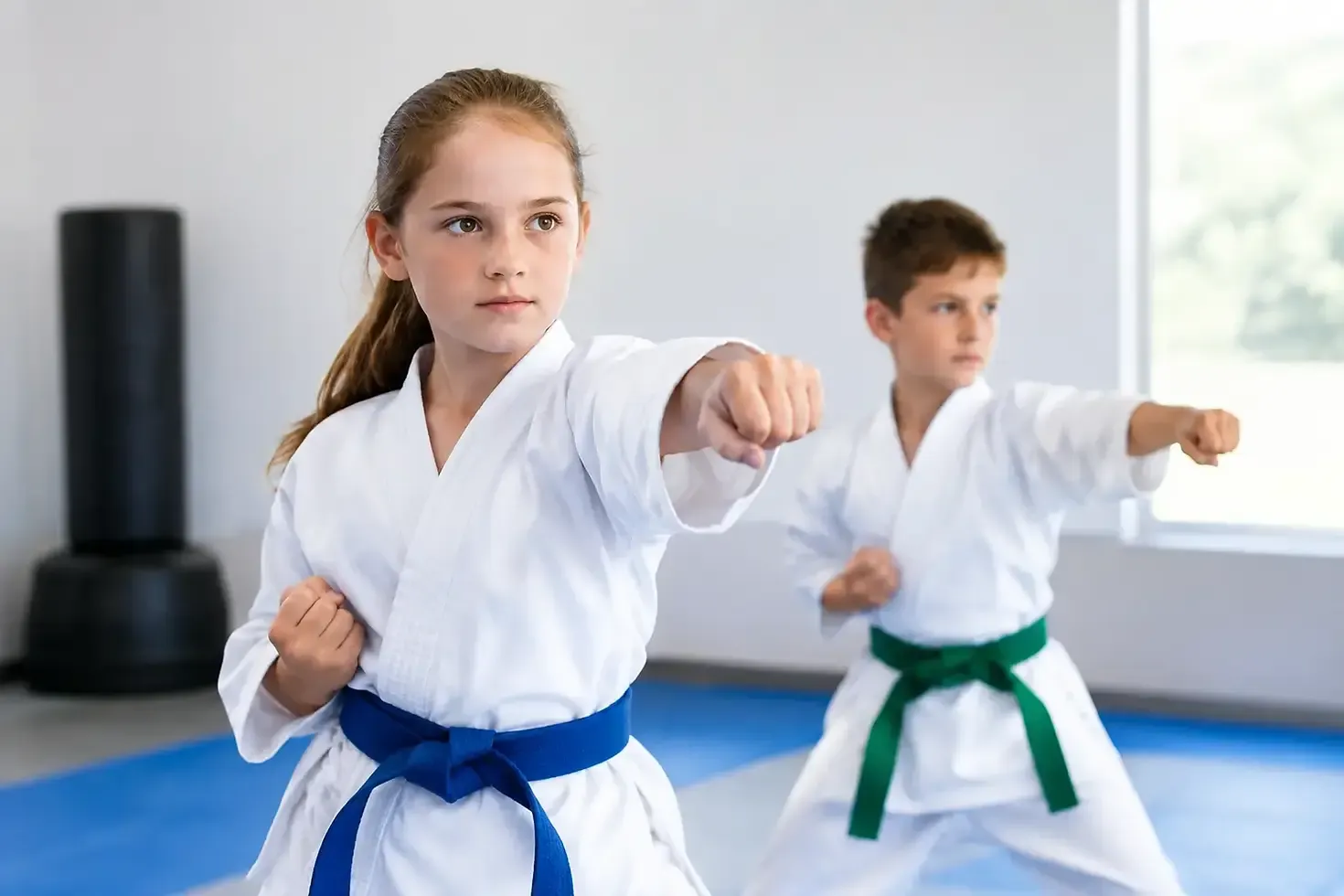
In a traditional dojo setting, young students learn that how they behave matters. They bow in, pay attention, follow instruction, and treat training partners properly. Over time, these habits shape how they act outside class too. A child who learns to stay composed while practicing technique is also learning composure at school, at home, and in difficult social situations.

There is another benefit that parents often notice quickly. Martial arts gives youth a credible sense of confidence. Not loud confidence. Not performative confidence. Real confidence. It comes from competence, repetition, and progress earned through effort.

That matters because many leadership struggles in youth come from one of two places. Either the child feels unsure and withdraws, or they overcompensate with attitude. Good martial arts training addresses both. It helps quieter students find their voice and stronger personalities learn humility.

At Vanguard Academy, this connection between training and character is part of the point. Youth are not only learning movements. They are learning how to carry themselves with discipline, restraint, and purpose.

What parents should look for in leadership programs for youth

The right fit depends on the child, but certain signs matter almost every time. First, look at the adults leading the program. Are they calm, clear, and consistent? Do they correct with authority and respect? Youth leadership development is shaped as much by example as by curriculum.

Next, look at the culture. Is the environment ego-driven, chaotic, or overly casual? Or does it feel structured and welcoming at the same time? A strong culture helps youth feel safe enough to grow and challenged enough to improve.

Then ask how progress is measured. Some of the best programs use rank systems, skill benchmarks, responsibilities, mentoring roles, or service expectations. Clear progress matters because it teaches that growth is earned. At the same time, there should be room for individual pace. A child who needs time to build confidence should not be written off because they are not the loudest in the room.

It also helps to ask what the program does when a student struggles. Every young person hits walls. Some deal with fear. Some with distraction. Some with frustration or immaturity. A worthwhile program does not ignore those issues, and it does not label the child too quickly. It coaches through them.

Leadership is not only for outgoing kids

One of the biggest mistakes adults make is assuming leadership belongs to the most talkative child in the room. That is not true. Some of the strongest young leaders are quiet, observant, and steady. They lead by example. They stay reliable when others get distracted. They do the right thing without needing attention for it.

This is why the best leadership training does not try to create one personality type. It helps each student become more capable, more accountable, and more confident in their own way. A shy child may learn to speak with clarity. A highly energetic child may learn self-control. Both are forms of leadership growth.

When youth understand that leadership includes service, courage, and self-mastery, the conversation changes. It becomes less about popularity and more about responsibility.

The long-term value of youth leadership development

The effects of good leadership training show up well beyond childhood. A young person who learns discipline early usually carries it into school, work, and relationships. A teen who learns how to handle stress and communicate respectfully is better prepared for conflict, pressure, and responsibility later on.

That does not mean leadership programs create instant transformation. Growth takes time. Some kids change quickly. Others develop in quieter ways that become obvious only months later. It depends on the child, the quality of instruction, and whether the lessons are reinforced at home.

Still, the pattern is clear. Youth who train in structured environments with high standards tend to become more dependable, more respectful, and more resilient. They learn that leadership is not about control. It is about discipline, judgment, and the willingness to act with integrity when it counts.

If you are choosing among leadership programs for youth, look past the slogans. Look for a place that expects effort, teaches respect, and helps young people grow stronger from the inside out. When that kind of training is done well, the result is not just a better student or athlete. It is a better human being ready to stand tall, serve others, and meet life with courage.


Comments


Leave us your info and we will be in touch!
20260310_185921_edited.jpg
Tag Logo

Vanguard Self-Defense Academy
Strength • Discipline • Protection

  • Facebook
  • Instagram

Contact Us

📍 5 King Street, Chesterville, Ontario K0C1H0
📞 343-801-5800
📧 info@vanguardacademy.ca

bottom of page